
The J.League gave 60 clubs a Pokémon, and every fan a set to complete
Our Head of Marketing, Alexandre Kandelaft, gives his personal take on the J.League and Pokémon partnership
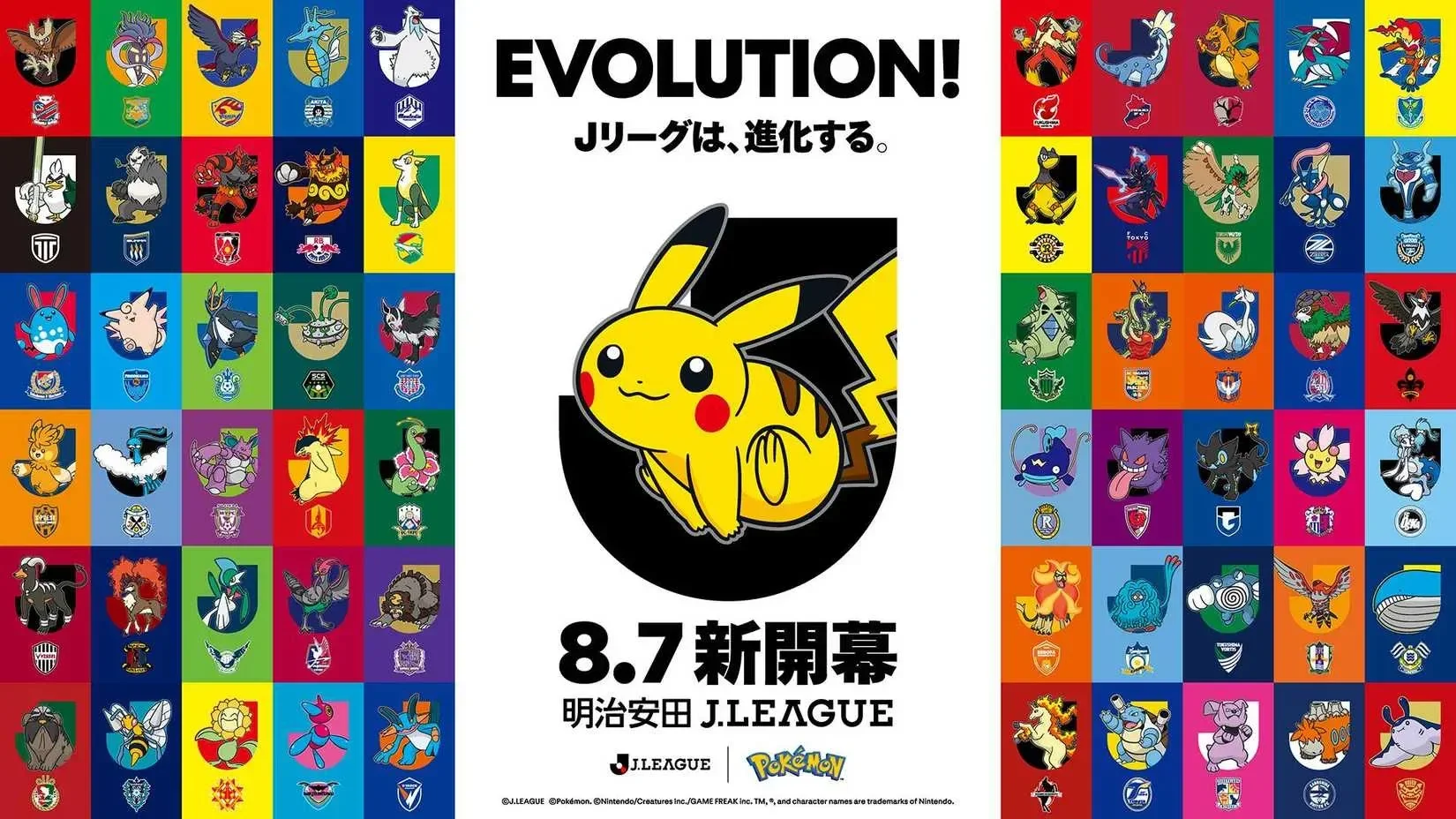
I have been chasing two things for most of my life: a football result every weekend, and Pokémon cards to complete my sets. So when the J.League announced that each of its 60 professional clubs would be paired with an official Pokémon, I felt a very specific kind of joy. The kind you feel when two completely separate passions suddenly look at each other and say: “Actually, we might work very well together.” When the fan in me calmed down, the sports business side of my brain started paying attention. Because this is much smarter than just a cute mascot campaign.
Ahead of the 2026-27 season, kicking off on 7 August, the J.League paired every club across J1, J2 and J3 with its own partner Pokémon. Most of the choices are based on club colours, local symbols or existing identity cues. Nara Club, whose identity is linked to the sika deer, gets the Deerling evolutionary line. The campaign, Pokémon J.League Fest “EVOLUTION!”, also ties into the league’s own new slogan, “The J.League is evolving”, while sitting inside Pokémon’s 30th anniversary year. So far, so good. It feels like it’s a nice IP partnership with nice storytelling & attractive press releases.
But it doesn’t stop here. The J.League will distribute one million limited-edition eco-bags during the season, each one featuring a club’s partner Pokémon on one side and a special Pikachu design on the other. That detail is the one that matters the most to me.
Turning a match ticket into a collectable
Most sponsorships and IP collaborations buy attention. It can be a logo on a shirt, a themed matchday, a social clip or a limited merch drop. Attention is useful, but it is rented. Once the novelty wears off, the campaign usually does too. What the J.League has done here is different because it does not just borrow Pokémon’s characters. It borrows Pokémon’s behavioural engine.
Pokémon has never only been about watching or playing. It is also about collecting, completing, trading. Travelling one step further because there is one more thing you do not have yet. That tiny, irrational itch that says: “I know I do not need this, but I do need the set.”
Sixty club-specific bags, distributed across stadiums, turn the J.League into a map. A fan who initially cares about one club now has a reason to look at another fixture, another division, another city. The object is physical, limited and tied to attendance. You cannot simply scroll past it. You have to go somewhere.
And that is where it becomes very interesting: the campaign does create movement as well as awareness. I know this for a fact because I am exactly the kind of person this works on. My collecting habits have never been fully rational. Cards, records, stamps, random objects picked up during travel… the logic is always slightly ridiculous from the outside, but completely obvious from the inside. I do not need the item. I need the collection to feel complete. That need has taken my money, my time and my feet into places a normal marketing funnel would never have reached.
From a professional perspective, this is also something I see more and more. I've spent the past six years working on loyalty and gamification with LiveLike, and I know that collecting is one of the most reliable ways to turn a passive audience into an active one. It gives fans a reason to come back, a reason to identify with a club, and a reason to participate beyond the core product.
Because the hard part in this field has never been generating digital engagement. It's pretty easy to get someone to tap, vote, or play a prediction game inside an app. The hard part is making that activity matter to the fan and translate into value for the brand. Over those six years I've become convinced that prizing is what can bridge the two, and that real, tangible rewards do it best. A digital points balance is easy to forget. A physical object a fan chose to earn, carried home, and put on a shelf is less. It pulls a fan from behind a screen into the physical, paying relationship where the economic value actually sits. That's what the eco-bag quietly does. The J.League has taken a mechanic most brands only run inside an app and wired it into stadium attendance.
Engagement can be measured in miles travelled, not clicks
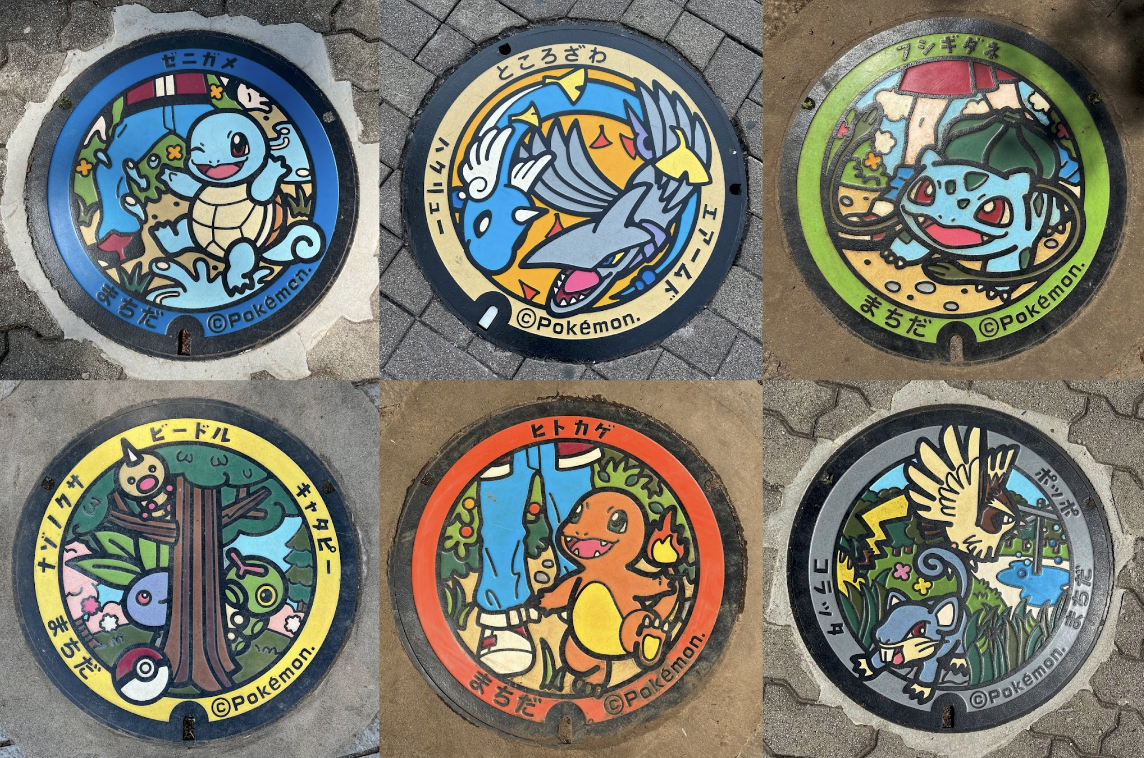
Japan has been running this playbook for years, often with no stadium involved at all. I saw it first-hand during a trip there this year, and it completely changed the way I read this partnership. Take Poké Lids. Since 2018, The Pokémon Company has installed hundreds of decorated Pokémon manhole covers across Japan as part of its Pokémon Local Acts initiative. On paper, it sounds almost absurd: branded manhole covers. In reality, it is one of the smartest physical engagement ideas I have seen. They are located in towns, cities, and regions across the country, often off the obvious tourist routes. Fans travel to find them, photograph them, share them, and tick them off the list. Many of them are also PokéStops in Pokémon GO, which means the physical object and the digital layer reinforce each other.
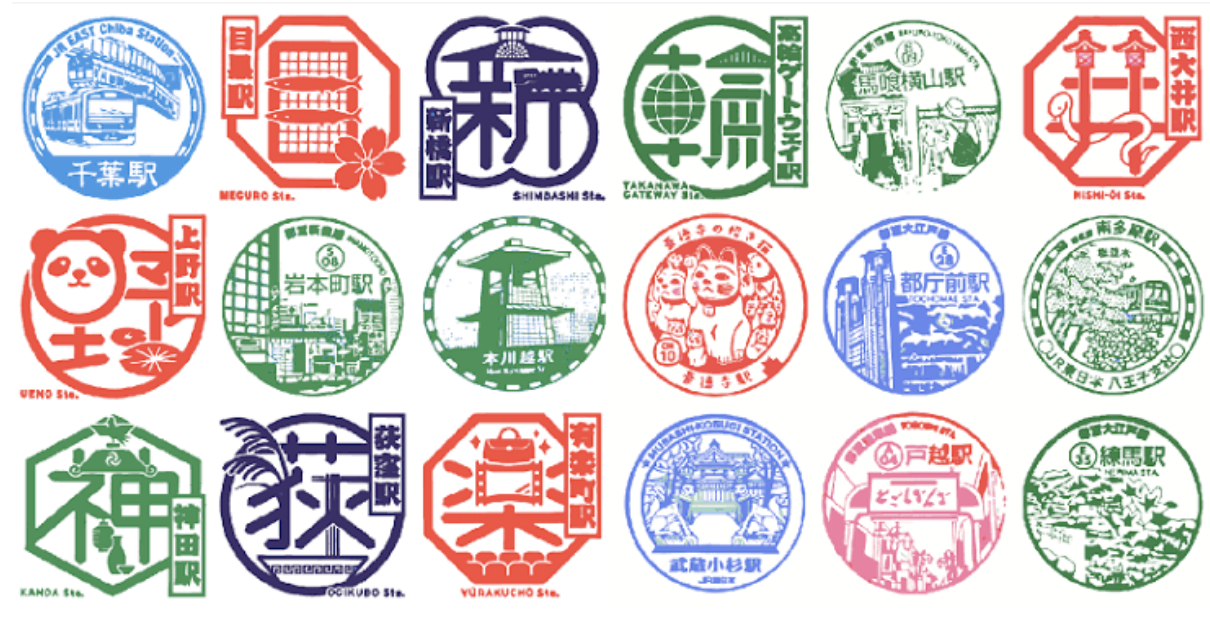
A manhole cover becomes a destination, and if that sentence should probably not make sense, in Japan, it does completely. Take the eki stamps, the collectable stamps found in train stations across the country. Each one is specific to its location. A temple, a bridge, a mascot, a local landmark. You arrive in a station, find the stamp, press it into your notebook, and suddenly a train journey has become a quest. JR East even runs a summer Pokémon stamp rally, placing themed stamps across stations and rewarding people who collect them all. It is simple, physical, low-tech, and incredibly effective.
I did versions of both while travelling in Japan. I went to stations and neighbourhoods I had no real reason to visit, just because there was something to collect there. Not because I had been targeted by a complex digital campaign. Not because an algorithm knew me better than I knew myself. Because someone had put a small collectable object on a map and my brain immediately surrendered. And that is the whole point.
Pokémon and Japan’s transport networks have already proved that collection can drive real-world behaviour: trips planned, local visits created, money spent, photos shared, memories built. The J.League version applies the same logic to football.
Why this is business, not just branding
Of course, the awareness value is obvious. Pokémon is one of the most powerful entertainment properties in the world. It reaches children, adults, collectors, gamers, tourists, families and nostalgic thirty-somethings who absolutely should know better by now.
Putting that audience in contact with Japanese football has value in itself. Every bag collected is a reason to attend. Every attendance is an opportunity to identify a fan, understand a behaviour, capture a contact, drive a next action. If the J.League is smart, this campaign is not the end of the funnel. It is the beginning.
The eco-bag gets people through the turnstiles. The follow-up merchandise, events, content, digital activations and club-level experiences will maybe be what should keep them in the ecosystem.
That distinction matters. In sports, many campaigns are built to create noise and far fewer are built to create habits, whereas it’s where the value sits. We recently wrote about this when looking at Kings League’s decision to pause its Spain edition: launch numbers are one thing, repeat behaviour is another. You can buy curiosity, but long-term engagement requires a mechanic that gives people reasons to come back. This is where the J.League x Pokémon partnership feels particularly strong. It asks fans to care because the collaboration gives them something to do: travel, attend, collect, (and potentially complete?)
The obvious next step: cards?
This part is more speculative writing, but it is difficult not to go there. The J.League and Pokémon have already collaborated on a rare promo Pikachu card in the past. And in a market where crossover trading card drops can sell out almost instantly, the idea of 60 club-themed Pokémon cards feels almost too obvious. From a business perspective, the eco-bags create stadium attendance. Here, cards could create retail demand, trading behaviour, secondary-market conversation, social sharing, and potentially even club-level membership mechanics.
Now, what to remember?
The clubs and leagues that win the next decade of fan engagement will be the ones that understand why people come back. Pokémon has spent 30 years engineering the desire to collect, complete and return. Japan has spent even longer turning physical collecting into a national pastime, from train stamps to regional souvenirs to decorated manhole covers that people genuinely travel to see. The J.League has taken that engine and attached it to football attendance. That is the real lesson here: do not just rent a beloved brand’s fame but understand the behaviour that made people love it in the first place; and build that behaviour into your own fan experience.
Key takeaways
The J.League borrowed Pokémon's behavioural engine, not just its fame: collecting, completing and travelling for the one thing you don't have yet. That is what turns a themed campaign into a reason to act.
Physical, limited rewards tied to attendance pull fans from behind a screen into the paying relationship. A digital points balance is easy to forget; an object a fan travelled for and put on a shelf is not.
Most campaigns create noise, few create habits, and the value sits in habits. The clubs and leagues that win the next decade will understand why fans come back and build that behaviour into the fan experience.
FAQ
What is the J.League and Pokémon partnership?
Ahead of the 2026-27 season, the J.League paired all 60 clubs across J1, J2 and J3 with an official partner Pokémon. It includes one million limited-edition eco-bags handed out during the season, each showing a club's Pokémon and a special Pikachu design.Why is the J.League Pokémon eco-bag campaign smart business?
The bags are physical, limited and tied to attendance, so completing the set gives fans a reason to travel to another fixture or city. Every bag collected is a reason to attend, and every attendance is a chance to identify a fan and drive the next action.What can clubs and leagues learn from the J.League Pokémon partnership?
Understand the behaviour that makes people love a brand, then build that into your own fan experience. Attention is easy to buy but wears off, so lasting engagement needs a mechanic, like collecting, that gives fans a real reason to come back.
LaSource exists to help those shaping the next era of sport. The agency helps sports organisations, technology companies, and investors grow their business in sport through strategy, digital transformation and ecosystem partnerships. By combining strategic foresight with hands-on execution, they turn long-term ambition into initiatives that can actually be deployed and scaled.